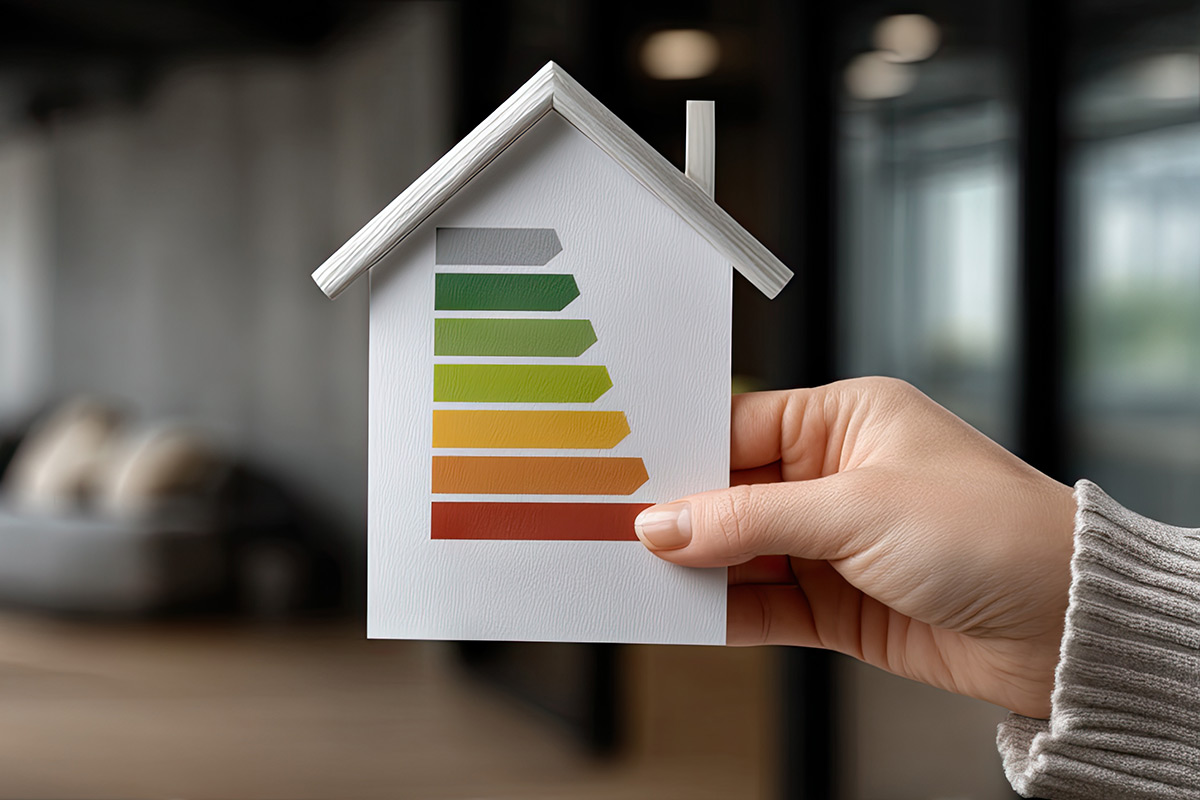

SEER vs. SEER2: What Florida Homeowners Need to Know About the New Efficiency Standards
If you’ve been shopping for a new air conditioner lately, you may have noticed a new acronym popping up: SEER2. It’s not just a marketing buzzword; it represents the most significant change to energy efficiency regulations in a decade.
For Florida homeowners—who run their AC systems more than almost anyone else in the country—understanding this shift is the key to lowering utility bills and choosing a system that actually performs in the real world.

What is SEER2, and why did it change?
SEER (Seasonal Energy Efficiency Ratio) has been the industry yardstick since 1992. It measures how much cooling a system provides for every watt of electricity it uses. However, the old testing methods were “laboratory perfect”—they didn’t account for the reality of your home’s ductwork or the high static pressure of a typical installation.
In 2023, the Department of Energy (DOE) introduced SEER2. The “2” signifies a new, more rigorous testing procedure that better reflects real-world conditions.
- The Translation: A SEER2 rating might look slightly lower than an old SEER rating on paper, but that doesn’t mean the unit is less efficient. It means the “yardstick” became more accurate.
- The Florida Standard: In the Southeast region, the legal minimum for new installations is now 14.3 SEER2.
Why SEER2 Matters for Your Florida Electric Bill
In a state where the “cooling season” lasts ten months, efficiency isn’t just about being “green”—it’s about survival. Moving from an older, 10-SEER unit to a modern 14.3 or 16-SEER2 system can reduce your cooling costs by 30% to 50%.
Because Florida homes face extreme heat and humidity, your system works harder and longer. High-efficiency SEER2 systems are designed to handle this “heavy lift” without sending your power bill into the stratosphere.
The Ducane Solution: The LYNX® 18 Inverter
If you want to move beyond the “legal minimum” and maximize your savings, look at the Ducane LYNX® 18 Inverter Heat Pump.
While standard systems are either “all on” or “all off,” the LYNX® 18 uses QuickLink™ Inverter Technology to act like a dimmer switch. It shifts its speed up and down in tiny increments to match your home’s needs exactly.
- Maximum Efficiency: With ratings up to 18 SEER (and high SEER2 equivalents), it is one of the most efficient “smart money” choices on the market.
- Dehumidification King: Because the LYNX® 18 can run at lower speeds for longer cycles, it pulls significantly more moisture out of the air—a “must-have” feature for those sticky Tampa and Orlando afternoons.
- Whisper Quiet: It operates at sound levels as low as 61 dBA, which is quieter than a typical conversation.
Don’t Forget the Rebates
One of the best reasons to pay attention to SEER2 is your wallet. Many Ducane systems are ENERGY STAR® certified. Thanks to the Inflation Reduction Act, installing a high-efficiency SEER2 system can qualify you for federal tax credits of up to $2,000, plus potential local rebates from Florida utility providers.
Summary: How to Shop Smart
- Check the Sticker: Look for the SEER2 rating, not just the old SEER number.
- Size Matters: Ensure your technician performs a proper load calculation for these new high-efficiency units.
- Local Expertise: Partner with an authorized Oldach dealer in Orlando, Kissimmee, or Tampa. They have the local inventory and technical training to ensure your high-efficiency system is installed to factory specs.
Ready to stop overpaying the electric company? Ask your local technician how a Ducane SEER2-compliant system can pay for itself in energy savings.